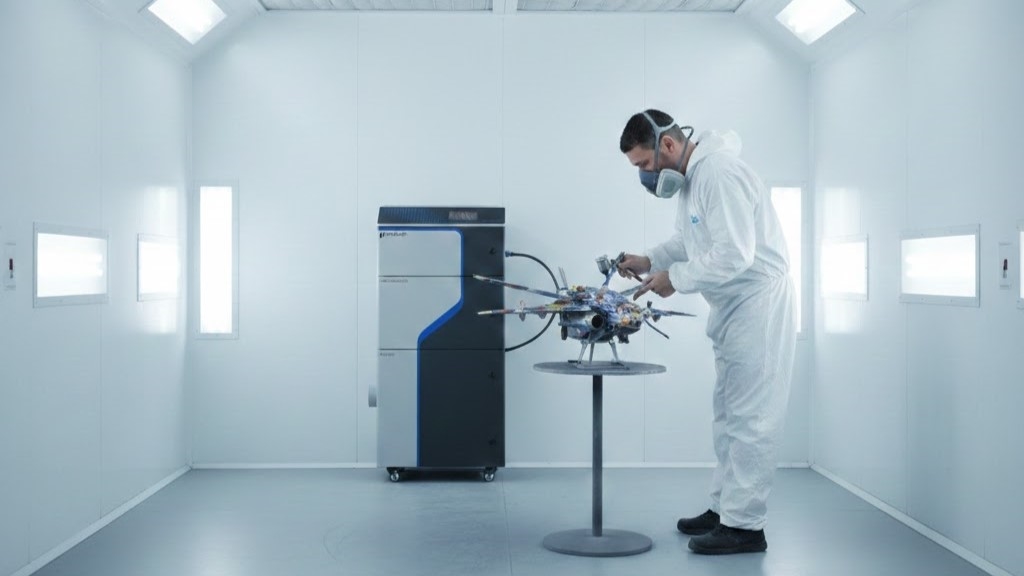
For decades, the industrial spray painting environment has been defined by a singular, overwhelming sensory experience: the roar. The traditional image of a painting facility involves workers shouting to be heard over the relentless thrum of high-powered fans and the turbulent rush of air. In this high-decibel “roaring workshop,” noise is often dismissed as an unavoidable byproduct of productivity.
However, modern industrial psychology and craftsmanship standards tell a different story. Constant noise is more than just an annoyance; it is a primary driver of operator fatigue, cognitive decline, and communication errors—all of which are enemies of high-precision finishing.
By integrating advanced painting booth dust extraction systems designed with noise-reduction technology, manufacturers are reclaiming the auditory environment. Optimized centrifugal fans, acoustic enclosures, and silencers turn the workspace into a quiet “Zen Studio.” With reduced noise, focus shifts solely to the perfect stroke of the spray gun. This transformation enhances both precision and the working environment.
1. The Invisible Cost of Noise: Beyond Hearing Loss
In professional finishing, precision is everything. Whether refinishing cars, coating luxury furniture, or aerospace parts, timing matters. A flawless surface depends on millisecond control and a steady hand. Even the slightest misstep can turn perfection into a rejection.
The Fatigue Factor
Studies in ergonomics show that exposure to constant noise above 80 dB triggers the body’s “fight or flight” response, increasing heart rate and cortisol levels. In a spray booth, this leads to:
-
Physical Tension: Muscles tighten, making the fluid motion required for a perfect spray pattern difficult to maintain.
-
Cognitive Load: The brain spends a significant portion of its energy “filtering out” the background roar, leaving less mental capacity for checking paint viscosity or identifying surface defects.
The Communication Barrier
A loud booth is a dangerous booth. When a technician misses subtle changes in the air compressor’s rhythm, safety suffers. Similarly, ignoring verbal warnings from colleagues compromises quality. Painting booth dust extraction systems that prioritize silence ensure both psychological safety and craftsmanship purity. Such systems protect the team and uphold the integrity of the work.
2. Engineering the Silence: The Pillars of Low-Noise Extraction
A quiet extraction system is not simply a standard machine with a muffler attached. It is a ground-up redesign of fluid dynamics and mechanical vibration.
Optimized Centrifugal Fan Blades
The heart of the noise is usually the fan. Traditional blades create high-frequency turbulence as they “cut” through the air.
-
The Innovation: Modern low-noise systems utilize backward-curved centrifugal fans with aerofoil blades. These are dynamically balanced to the millimeter, ensuring that the air flows smoothly across the blade surface, significantly reducing the “vortex noise” that characterizes cheaper units.
-
Variable Frequency Drives (VFD): By allowing the fan to run only at the speed required for the specific task, VFD technology avoids the constant full-throttle roar, keeping the decibels low during prep work or light finishing.
Integrated Acoustic Enclosures (The Sound Cabin)
Instead of exposing the motor and fan assembly, premium painting booth dust extraction systems house these components in specialized acoustic “vaults.”
-
High-Density Insulation: Using composite materials like mineral wool or sound-dampening foam, these cabinets trap the low-frequency vibrations before they can resonate through the floor or walls.
-
Vibration Isolation: The motor is mounted on specialized rubber dampers or “spring isolators,” preventing the mechanical hum from turning the entire booth into a giant speaker.
Aerodynamic Silencers and Labyrinth Air Paths
Noise travels with the air. To prevent the sound from “piping” into the booth, engineers design “Labyrinth” air outlets.
-
The Physics: By forcing the exhaust air through a series of sound-absorbing baffles and curves, the sound waves are “bounced” against dampening materials until they lose their energy. This allows for high-velocity airflow without the high-velocity sound.
3. From “Roar” to “Zen”: The Impact on the Finish
When the noise levels drop from a deafening 90 dB to a conversational 65-70 dB, the painting booth undergoes a fundamental transformation in character.
-
Deep Immersion: The painter can enter a state of “flow.” Without the auditory distraction, they can hear the subtle “hiss” of the spray gun, which provides vital feedback on the atomization of the paint.
-
Higher Precision: A quiet environment allows for better hand-eye coordination. The reduction in micro-vibrations and auditory stress results in a steadier hand, leading to a significant reduction in orange peel, runs, and overspray errors.
-
Longer Endurance: Operators who work in a “Zen Studio” environment report feeling significantly less exhausted at the end of an 8-hour shift. This retention of energy translates directly to higher quality consistency throughout the day.
4. The Economic Logic: Silence as a Strategic Investment
While low-noise painting booth dust extraction systems may require a higher initial investment in engineering, the ROI is found in the “soft” metrics that dictate long-term profitability.
-
Reduced Labor Turnover: High-quality sprayers are hard to find. Providing a comfortable, quiet work environment is a powerful tool for retaining talent.
-
Lower Reject Rates: Better focus equals better quality. If a quiet environment prevents just a few high-value “re-sprays” per month, the equipment pays for itself.
-
Community and Compliance: In urban industrial parks, noise pollution is a legal liability. A silent system ensures you remain a “good neighbor” and avoid costly fines or forced operating hour restrictions.
5. Conclusion: Reclaiming the Space for Art
Industrial painting is where chemistry meets art. It is a process that demands the highest level of human concentration. To expect a worker to perform a masterpiece in the middle of a “roaring workshop” is a relic of the past.
The transition to low-noise painting booth dust extraction systems represents the maturation of the industry. It is a move toward a workspace that respects the operator’s health, focus, and craft. By silencing the roar, we aren’t just cleaning the air—we are clearing the mind. We are turning the spray booth into a “Zen Studio,” where the only thing that remains is the perfect finish.