Case Study: Improving Air Quality in a Metal Processing Plant
Introduction: The Challenge of Air Quality in Metal Processing
Metal processing plants, including cutting, welding, grinding, and polishing operations, generate significant amounts of airborne pollutants such as metal dust, welding fumes, and fine particulate matter. These contaminants not only affect worker health but also reduce equipment efficiency and increase maintenance costs.
This case study highlights how a metal processing plant improved its air quality, enhanced operational efficiency, and reduced maintenance costs by implementing an advanced industrial fume extraction system.
Project Background
Industry
Metal processing and fabrication
Processes Involved
- Welding (MIG & TIG)
- Plasma cutting
- Grinding and polishing
Facility Size
- Workshop area: approximately 3,000 m²
- Multiple production zones with continuous operation
Initial Air Quality Problems
Before implementing a proper air purification system, the facility faced several critical issues:
1. High Concentration of Airborne Particles
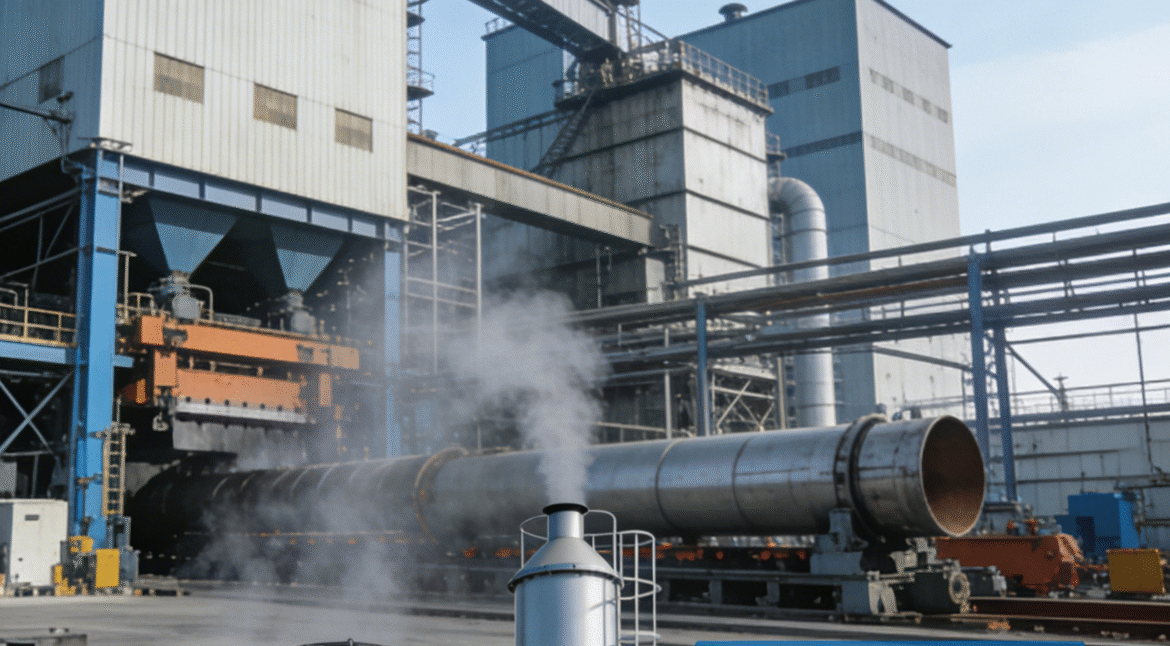
Dense welding fumes and grinding dust accumulated in the workshop, creating a visibly polluted environment.
2. Poor Visibility
Smoke and dust reduced visibility, affecting production accuracy and increasing safety risks.
3. Frequent Equipment Maintenance
Dust and metal particles entered machinery, causing:
- Increased wear and tear
- Frequent cleaning requirements
- Unexpected equipment failures
4. Worker Discomfort
Operators reported:
- Respiratory irritation
- Eye discomfort
- Reduced working efficiency
5. Compliance Pressure
The facility faced increasing pressure to meet environmental and occupational air quality standards.
Solution: Implementation of PURE-AIR Fume Extraction System
To address these challenges, the plant installed a customized PURE-AIR industrial fume extraction solution designed specifically for metal processing environments.
System Configuration
- High negative pressure industrial fan
- Multi-stage filtration system
- Centralized duct network
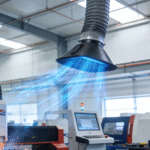
- Localized extraction arms at key workstations
- Long-life industrial filter cartridges
Key Technical Features
High Negative Pressure Airflow
Ensured effective capture of fumes directly at the source, preventing pollutant dispersion.
Multi-Stage Filtration
- Pre-filter for large particles
- Fine filtration for submicron dust
- Optional activated carbon module
Optimized Duct Design
Minimized airflow resistance and ensured consistent suction across multiple workstations.
Implementation Process
The project followed a structured approach:
- On-site air quality assessment
- Identification of major pollution sources
- Customized system design
- Installation and system integration
- Performance testing and optimization
The system was installed without significant disruption to production.
Results After Implementation
Following installation, the plant observed significant improvements across multiple areas.
1. Improved Air Quality
- Visible reduction in smoke and dust
- Cleaner workshop environment
- Improved indoor air clarity
2. Enhanced Worker Productivity
- Reduced discomfort and fatigue
- Better concentration during operations
- Increased overall work efficiency
3. Reduced Equipment Maintenance
- Less dust accumulation inside machinery
- Lower maintenance frequency
- Reduced downtime
4. Energy Efficiency Optimization
- Stable airflow reduced energy waste
- Optimized system operation
5. Compliance Achievement
The facility successfully met local environmental and occupational air quality standards, reducing regulatory risk.
Quantified Benefits
Although exact figures vary, the plant reported:
- Significant reduction in visible airborne pollutants
- Noticeable decrease in equipment maintenance costs
- Improved production stability
- Higher employee satisfaction
Why PURE-AIR Was Chosen
The client selected PURE-AIR based on:
- 14 years of industry experience
- High negative pressure fan technology
- Reliable multi-stage filtration system
- Custom solution capability
- Strong technical support
PURE-AIR’s focus on core components, system integration, and quality control ensured a stable and long-lasting solution.
Conclusion
This case study demonstrates that improving air quality in metal processing plants is not only achievable but also highly beneficial from both operational and financial perspectives.
By implementing a customized fume extraction system, the facility successfully enhanced air quality, reduced maintenance costs, improved productivity, and ensured compliance with environmental standards.
Industrial air purification is a key investment for manufacturers seeking long-term efficiency and sustainable growth.