Introduction Industrial production processes generate a wide range of airborne pollutants that are often invisible but highly hazardous. Smoke, dust, and harmful fine particles are common by-products of laser processing, welding, soldering, grinding, and other manufacturing operations. Without effective control, these contaminants can seriously impact worker health, equipment reliability, and…
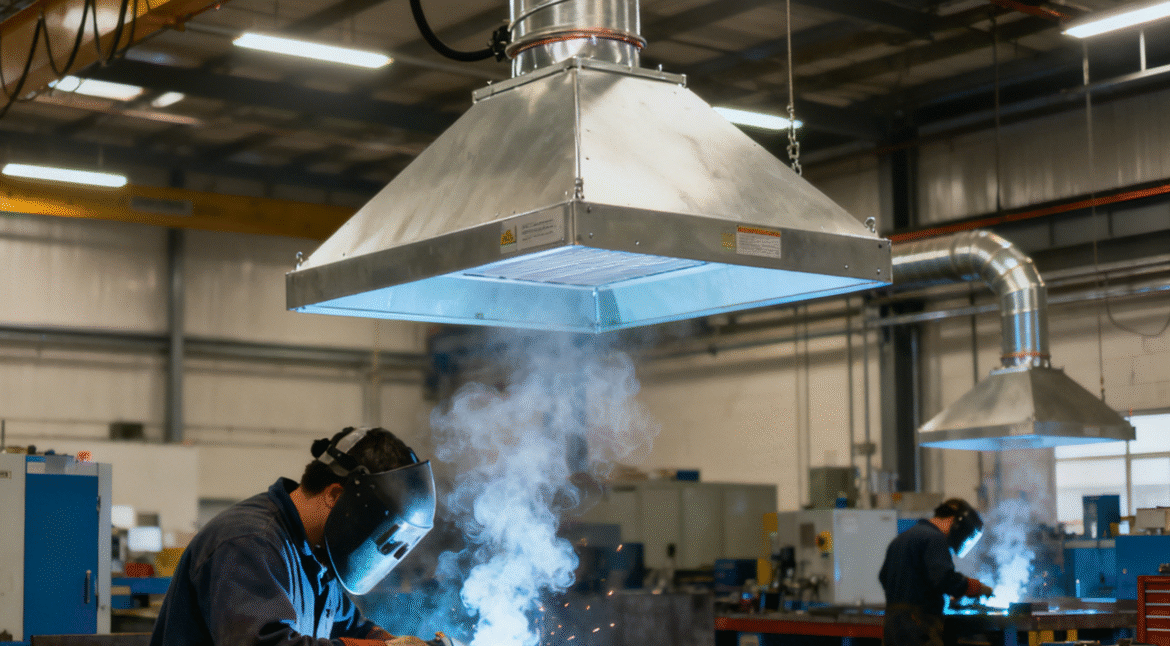
What Is an Industrial Fume Extractor and How Does It Work? Introduction In modern manufacturing environments, airborne pollutants such as smoke, fumes, fine dust, and volatile organic compounds (VOCs) are unavoidable by-products of industrial processes. Laser cutting, welding, soldering, engraving, and chemical processing all generate hazardous fumes that can pose…
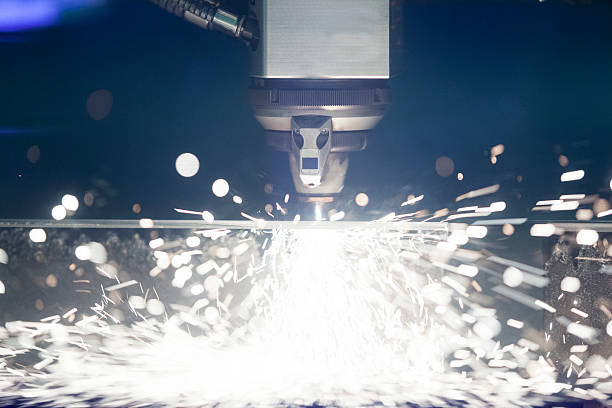
In the vanguard of advanced manufacturing, laser cutting and metal 3D printing (Additive Manufacturing) have revolutionized production speed and geometric complexity. However, these high-energy processes generate a byproduct that is as dangerous as it is invisible: sub-micron metallic fumes and plastic aerosols. These particles, often smaller than $0.1\mu m$ (nanoparticles),…
n the industrial world, safety managers often find comfort in numbers. When purchasing fume and dust extractors, the focus typically gravitates toward the filter specification—specifically the high-efficiency ratings like HEPA (99.97%) or MERV 16. However, relying solely on the filter’s efficiency to protect employees is a dangerous oversight. Even if…
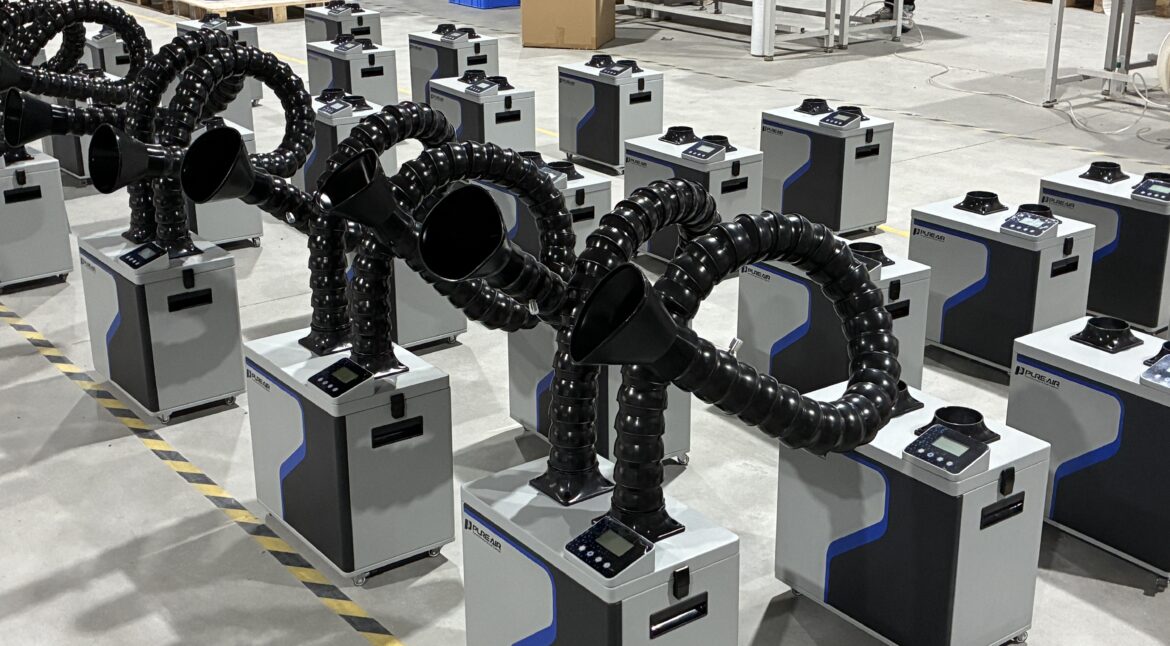
Industrial Fume Extractor Manufacturer with 14 Years of Expertise | PURE-AIR Professional Industrial Fume Extraction Solutions for Modern Manufacturing With the rapid development of modern manufacturing, industrial processes such as laser cutting, laser marking, laser engraving, welding, soldering, and electronic production generate large amounts of smoke, dust, and hazardous airborne…
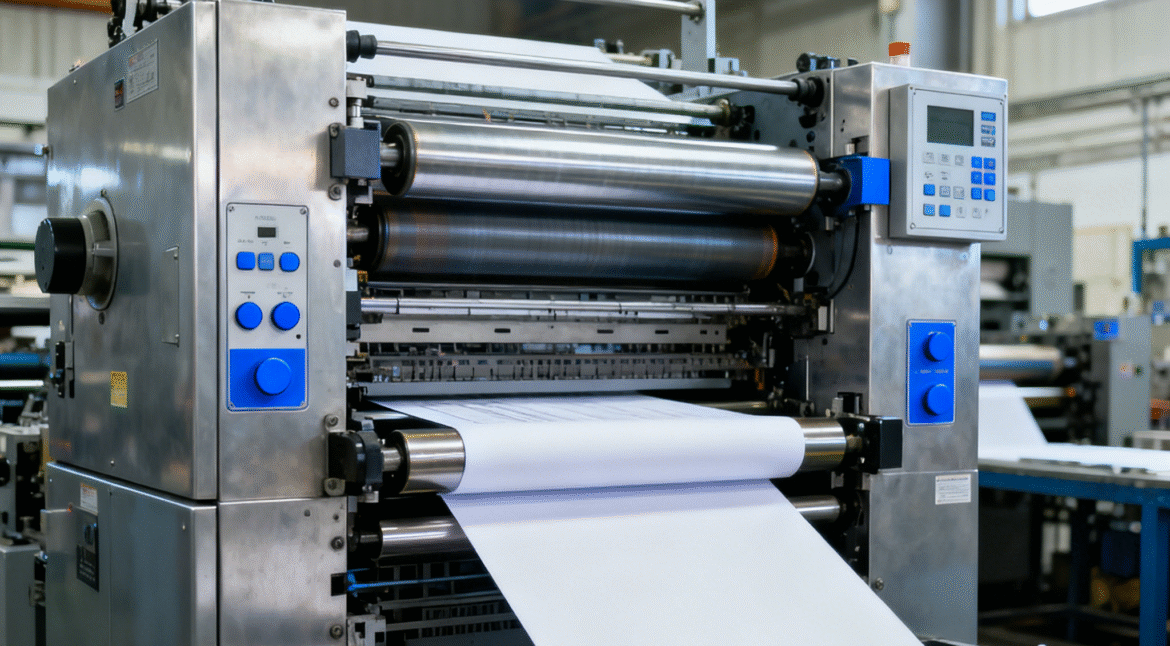
In printing workshops, people often talk about that familiar “smell,” originating from inks, varnishes, adhesives, and solvents. Many believe that eliminating these odors equates to removing all health risks. However, a deep dive into safety data sheets reveals a far more complex reality—many emissions of concern are invisible and may…
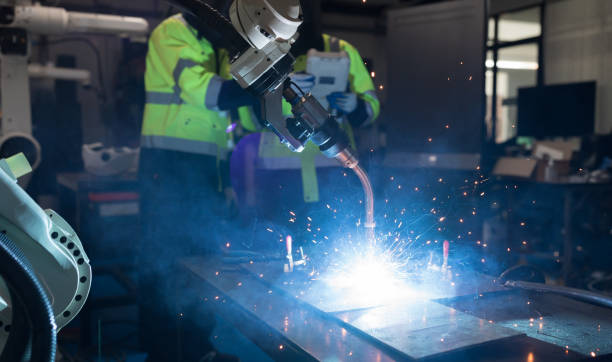
In industrial ventilation, “99% capture efficiency” often appears as a reassuring number. On paper, it suggests that harmful fumes, particles, and gases remain under control. However, in real robotic welding environments, this figure is rarely the end of the story. In fact, it is often only the starting point. Robotic…
In heavy industries such as shipbuilding and construction machinery manufacturing, welding remains one of the most essential yet challenging processes. Large structural components, complex welding positions, long weld seams, and continuous high-current operations generate massive amounts of welding fumes. These fumes are not only dense and persistent but also highly…
In the pulse of modern industrial production, processes such as welding, laser cutting, and grinding create value while also generating visible and invisible byproducts—industrial fumes and hazardous gaseous pollutants. These fine particulate matters, often smaller than 20 microns in diameter, escape the naked eye yet can travel deep into the…
In the field of industrial fume purification, equipment managers have long been troubled by two core questions: “Is the suction power consistently effective?” and “When exactly should the filter be replaced?” Traditional practices rely on empirical judgment or fixed replacement schedules—often resulting in either compromised safety due to performance degradation…