In the field of laser manufacturing, precision is everything. From semiconductor fabrication to laser engraving and medical device production, even microscopic dust or vapor particles can compromise optical clarity and accuracy. Maintaining a clean and stable working environment is, therefore, not an option but a necessity. This is where an industrial fume filtration system plays a decisive role in ensuring that precision optics remain free from contamination while supporting sustainable and efficient production.
Understanding the Link Between Fumes and Optical Precision
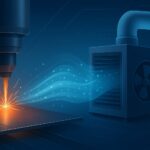
During laser cutting, welding, engraving, and marking, high-energy beams interact with metal, plastic, or organic materials. This process generates a complex mixture of gases, particulates, and nano-scale aerosols, commonly referred to as laser fumes. These fumes often contain volatile organic compounds (VOCs), metallic oxides, and micro-debris that can easily settle on optical lenses and mirrors.
Over time, such deposits reduce laser transmission, scatter light, and cause thermal lensing, leading to diminished performance and potential optical misalignment. Without proper filtration, even a minor build-up can distort the beam path, resulting in inaccurate engraving or poor cutting precision. This contamination risk extends beyond optical surfaces, affecting sensitive electronic boards and motion systems within the laser housing.
 The Role of Industrial Fume Filtration Systems
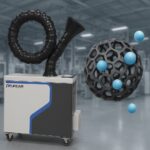
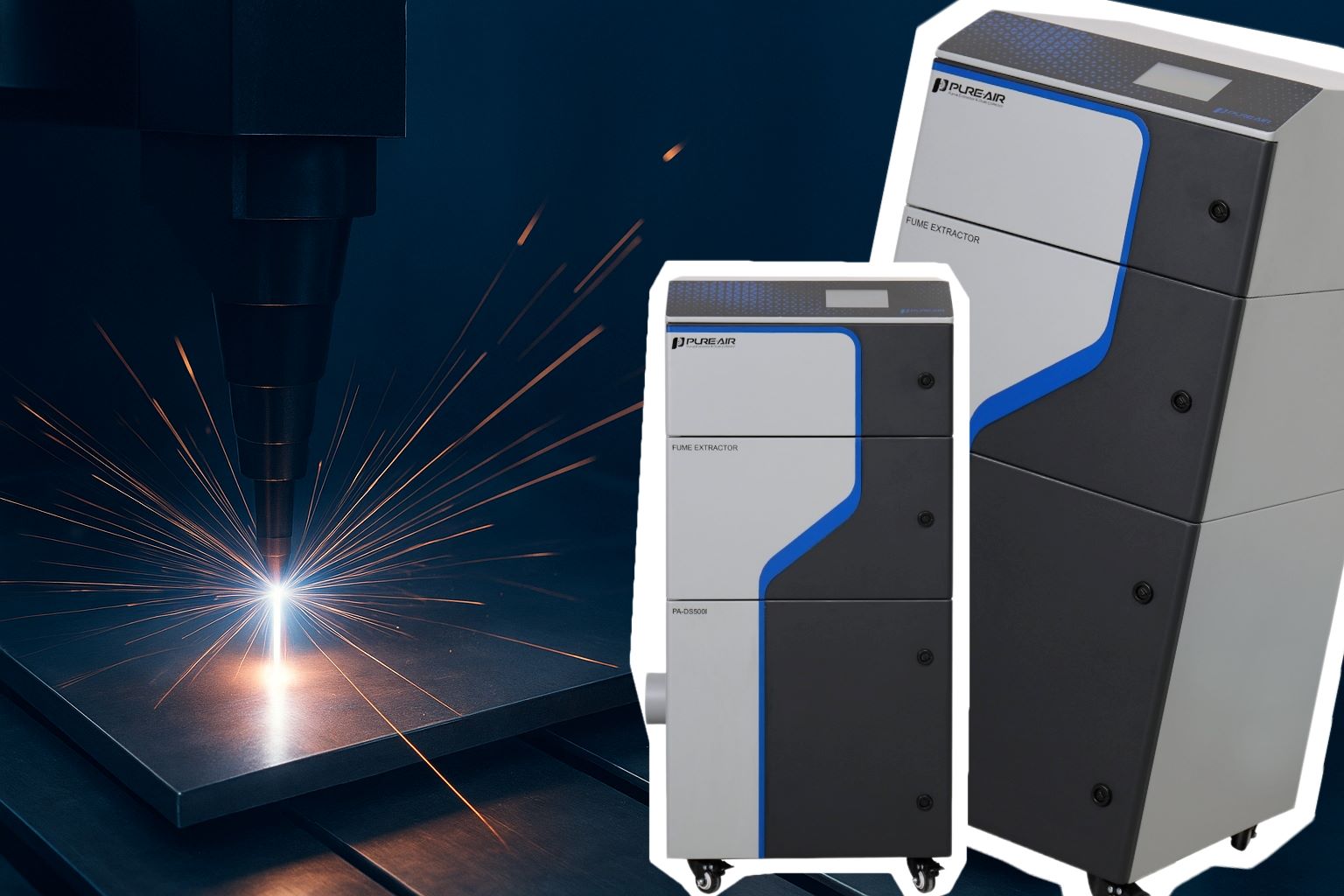
A modern industrial fume filtration system provides multilayer protection for laser equipment. Unlike basic exhaust fans, these systems employ high-efficiency particulate air (HEPA) filters and activated carbon stages to capture both solid particles and gaseous contaminants.
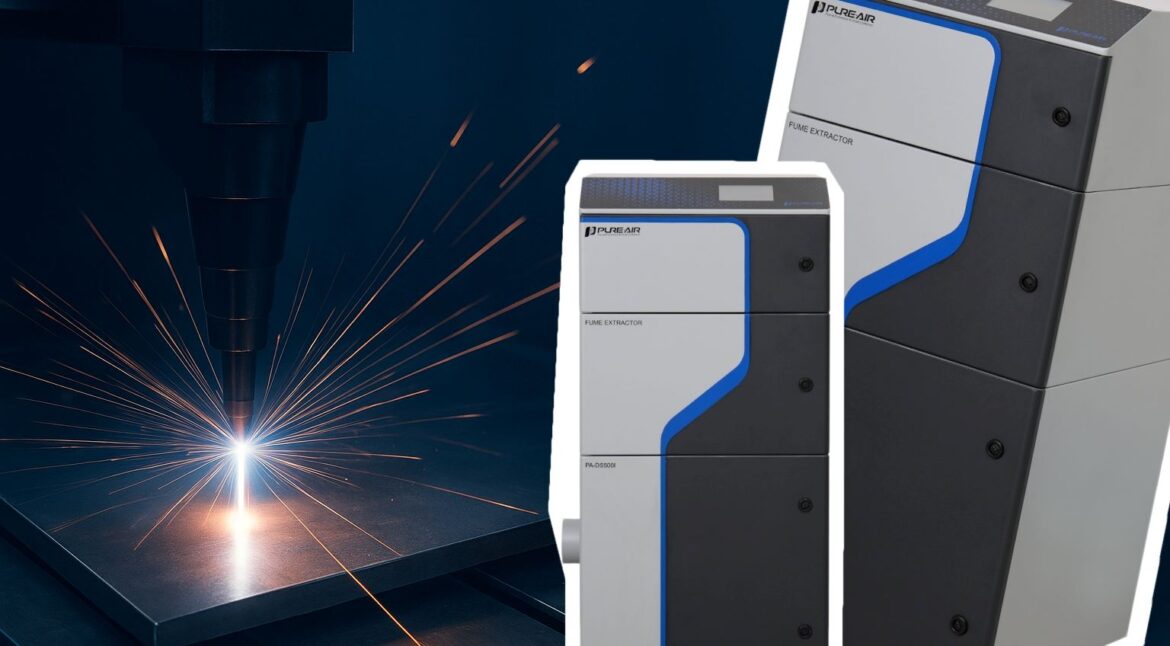
At the heart of every high-performance laser factory lies a fume extractor equipped with advanced suction technology. This system efficiently captures emissions directly from the source, preventing them from dispersing into the ambient air. By integrating pre-filters, main filters, and adsorption modules, it ensures that the working atmosphere remains clean and that all optical surfaces remain uncontaminated.
Moreover, properly designed filtration systems extend equipment lifespan, reduce downtime, and lower the need for frequent lens cleaning or replacement. As a result, manufacturers benefit from consistent productivity and reduced maintenance costs.
Environmental and Safety Benefits
In addition to equipment protection, fume extraction directly contributes to worker health and environmental compliance. Many of the compounds generated during laser operations—such as fine metallic dust or vaporized resins—can be hazardous if inhaled. Exposure to these substances over time may cause respiratory issues or other health risks.
An industrial fume filtration system ensures compliance with international air quality standards, including ISO and OSHA regulations. It creates a safe workplace by capturing harmful particulates before they enter the breathing zone, enhancing employee well-being while reducing potential legal liabilities.
Furthermore, by controlling airborne emissions, companies strengthen their commitment to environmental responsibility. Filtered exhaust minimizes the ecological footprint of laser production, aligning with the growing demand for sustainable manufacturing practices.
Design Considerations for Effective Fume Extraction
To maximize filtration performance, system design must align with production needs. The airflow rate, suction power, filter media composition, and exhaust configuration all influence efficiency.
For instance, precision optics manufacturing often involves cleanroom conditions, requiring filtration systems that maintain laminar airflow and prevent particle re-entrainment. A properly sealed housing with anti-static materials and automatic filter monitoring ensures that no contaminants bypass the filtration path.
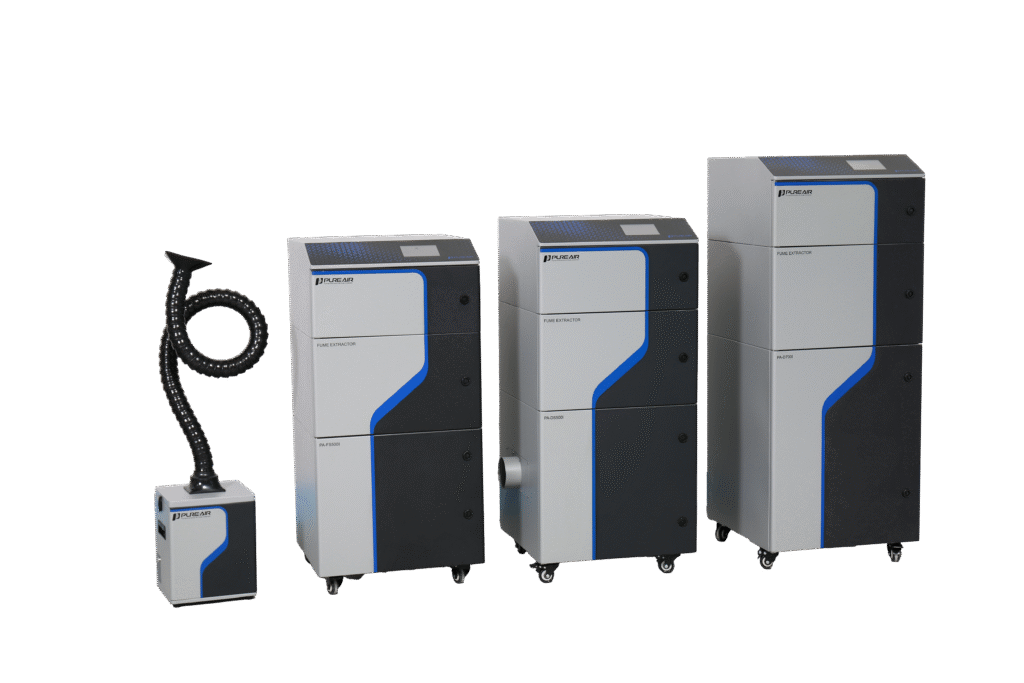
Additionally, modular filtration units allow flexibility. Manufacturers can customize configurations for different production scales—from small laser engraving stations to industrial laser cutting lines—without compromising efficiency. Real-time pressure sensors and digital control panels further optimize performance by alerting operators to necessary maintenance or filter replacement intervals.
How Fume Filtration Supports Optical Calibration and Reliability
Clean optics translate directly into stable laser output. Dust accumulation or vapor condensation on lenses can alter the beam’s focal point, leading to uneven cutting edges or poor engraving contrast. By maintaining constant air purity, a fume extraction system ensures that the optical path remains unobstructed and that energy transmission is consistent.
In high-precision environments such as photonics manufacturing or laser lithography, even a nanometer-level deviation can disrupt calibration. Thus, integrating an industrial fume filtration system becomes part of the overall quality assurance strategy, protecting both optical integrity and final product reliability.
Over time, consistent fume control minimizes the need for recalibration, which saves both operational time and material waste. It also helps maintain the cleanliness level of internal laser cavities and external enclosures, further reducing potential service interruptions.
Economic Implications for Laser Equipment Manufacturers
Beyond technical performance, fume filtration delivers tangible financial benefits. Regular maintenance and optical cleaning can represent significant operational costs in high-volume production lines. By reducing contamination, companies lower these maintenance frequencies and extend component lifecycles.
Furthermore, unplanned equipment downtime caused by optical fouling can lead to costly delays. An integrated extraction system minimizes these risks, promoting uninterrupted operation. For laser factories supplying clients in sectors such as automotive, aerospace, or electronics, reliability is a competitive advantage that reinforces brand trust.
Investing in advanced fume filtration technology also demonstrates a commitment to long-term efficiency and environmental stewardship, which can enhance business reputation in global supply chains.
Technological Advancements in Fume Extraction
Modern industrial fume filtration has evolved significantly in recent years. New-generation systems feature intelligent control modules that automatically adjust airflow based on sensor feedback. This not only improves filtration efficiency but also reduces energy consumption.
Additionally, multi-stage filters with nano-fiber coatings improve particulate capture without increasing airflow resistance. Some systems even include remote monitoring capabilities, enabling maintenance teams to track performance metrics in real time. These advancements make fume extractors an essential part of smart manufacturing infrastructure.
By combining filtration precision with digital management, manufacturers can ensure consistent air quality and achieve predictive maintenance, further extending system longevity.
Conclusion: Clean Air as the Foundation of Precision Manufacturing
In laser equipment factories, protecting optical components is synonymous with protecting productivity. Fume contamination, if ignored, can degrade precision, shorten equipment life, and increase operational costs. The implementation of an industrial fume filtration system ensures clean air, consistent optical accuracy, and safe working conditions.
As laser manufacturing continues to evolve toward higher power, finer resolution, and greater automation, fume control will remain a fundamental part of process integrity. Investing in advanced fume extraction technology is not only a matter of compliance but also a commitment to performance excellence and environmental sustainability.
In the pursuit of precision, clean air is not just a requirement—it is the invisible backbone of innovation.