How Often Should Industrial Filters Be Replaced? Industrial filtration systems play a crucial role in maintaining clean air, protecting equipment, and ensuring a safe working environment in manufacturing facilities. However, one of the most common questions facility managers and maintenance teams ask is: How often should industrial filters be replaced?…
Imagine the sharp smell of burning acrylic. Or the thick, gray haze from laser-cut wood. These are not just smells. They are invisible chemical cocktails. You need more than just a fan. You need a professional laser smoke purifier. But which filter truly keeps you safe? This guide explores the “inner…
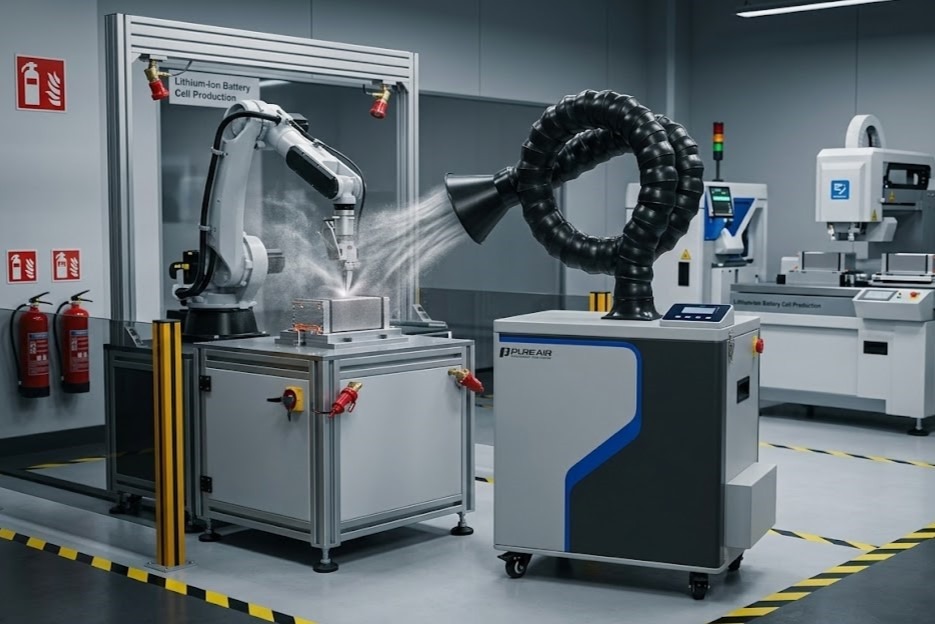
In the lithium battery industry, dust is not just dirt. It is a microscopic fire risk. Imagine a busy factory floor. Suddenly, a tiny spark hits the fine electrode dust. Within seconds, a routine day turns into a disaster. Standard vacuums simply cannot handle these flammable particles. Therefore, we design…
How Cleaner Air Improves Worker Productivity Introduction: The Direct Link Between Air Quality and Productivity In industrial environments, productivity is typically associated with equipment efficiency, automation levels, and workflow optimization. However, one critical factor is often underestimated — indoor air quality. Airborne pollutants such as welding fumes, fine particulate matter,…
How Fume Extractors Help Meet Environmental Regulations Introduction: Environmental Compliance Is No Longer Optional As global environmental awareness increases, governments and regulatory agencies are strengthening air quality standards for industrial facilities. Manufacturers today face stricter requirements regarding airborne emissions, particulate matter levels, volatile organic compounds (VOCs), and workplace air quality.…
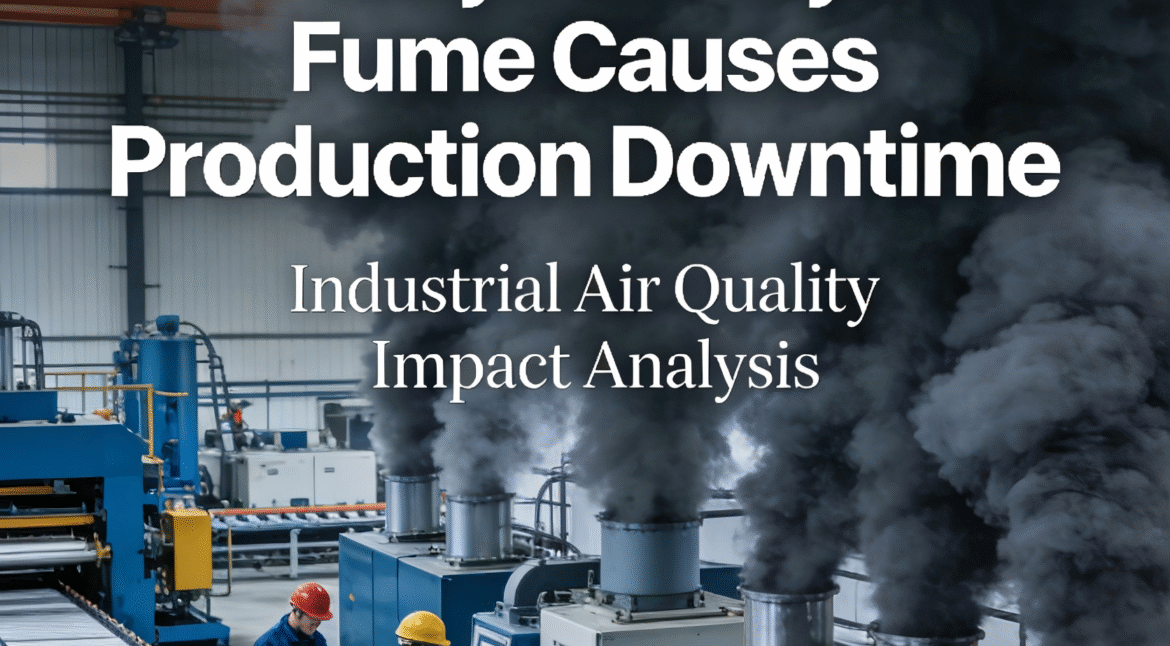
Why Factory Fume Causes Production Downtime Introduction: The Hidden Cost of Factory Fume In many manufacturing environments, factory fumes are often viewed merely as a health or environmental issue. However, beyond regulatory compliance and worker safety, industrial fumes have a direct and measurable impact on production efficiency. Uncontrolled fumes can…
Common Industrial Air Pollution Sources in Factories Introduction: Understanding Industrial Air Pollution Industrial air pollution remains one of the most critical environmental and occupational challenges faced by modern manufacturing facilities. From metal fabrication workshops to electronics production lines, airborne pollutants are generated in various processes and, if not properly controlled,…
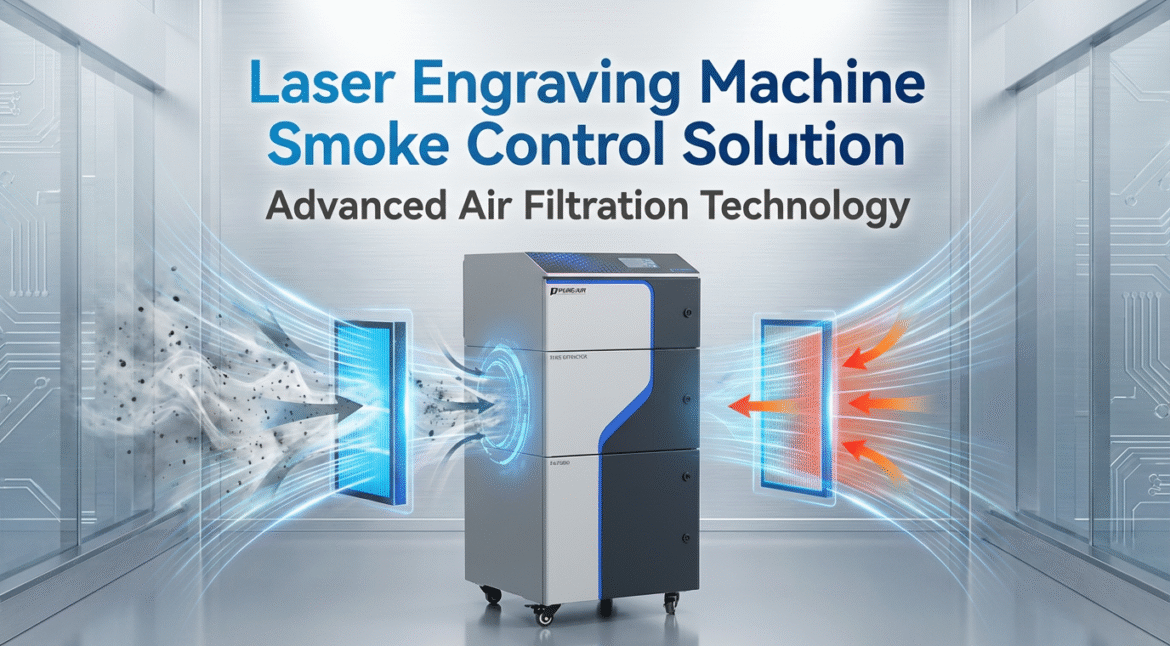
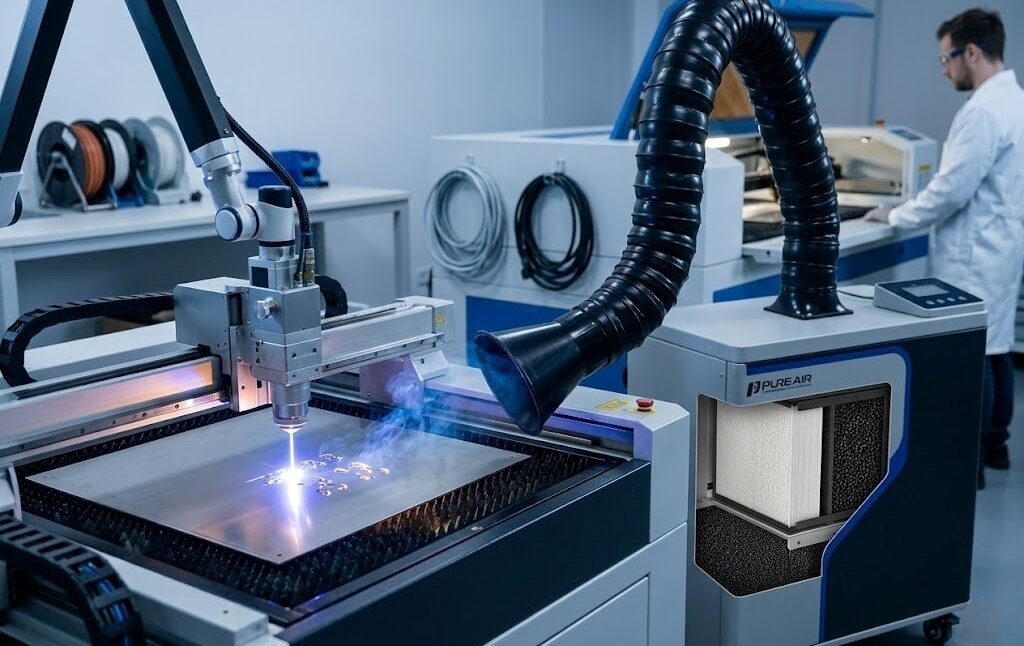
Smoke Control Solutions for Laser Engraving & Marking Machines Introduction: Why Smoke Control Is Essential in Laser Engraving & Marking Laser engraving and marking machines are widely used in industries such as electronics, metal processing, signage, packaging, and precision manufacturing. While laser technology offers high accuracy and efficiency, it also…
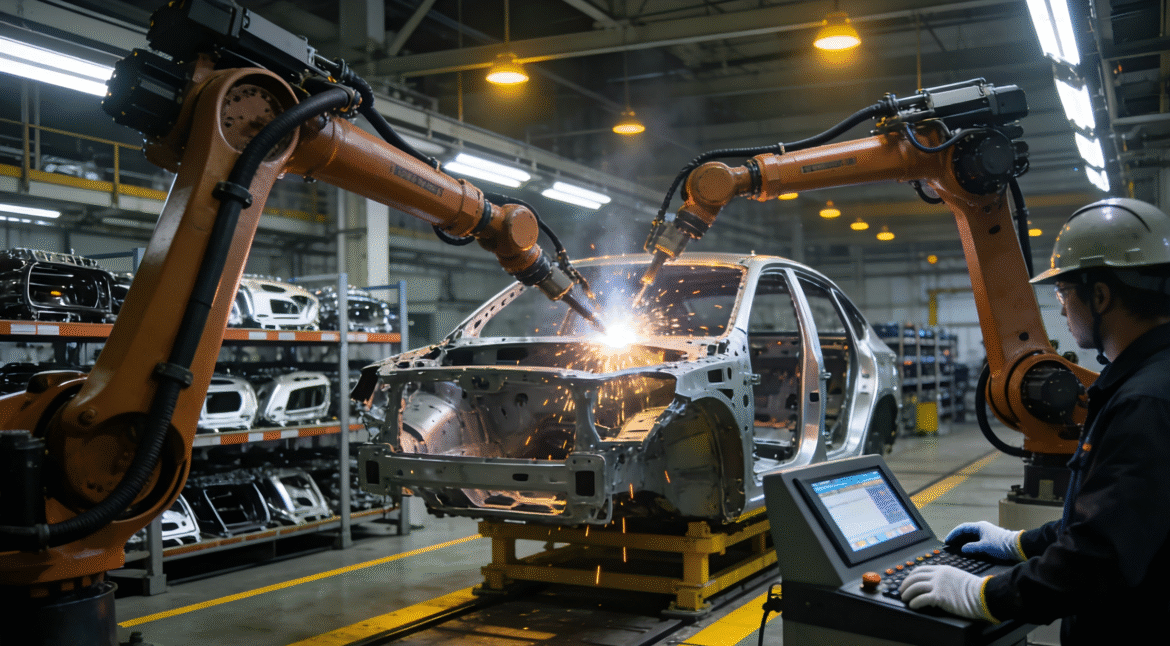
Fume Extraction Solutions for Welding Workshops Introduction: Why Welding Fume Control Is Critical Welding workshops generate large volumes of hazardous fumes containing metal oxides, fine particulates, ozone, nitrogen oxides, and volatile organic compounds (VOCs). Without effective fume extraction, these pollutants accumulate rapidly in enclosed production areas, leading to serious health…
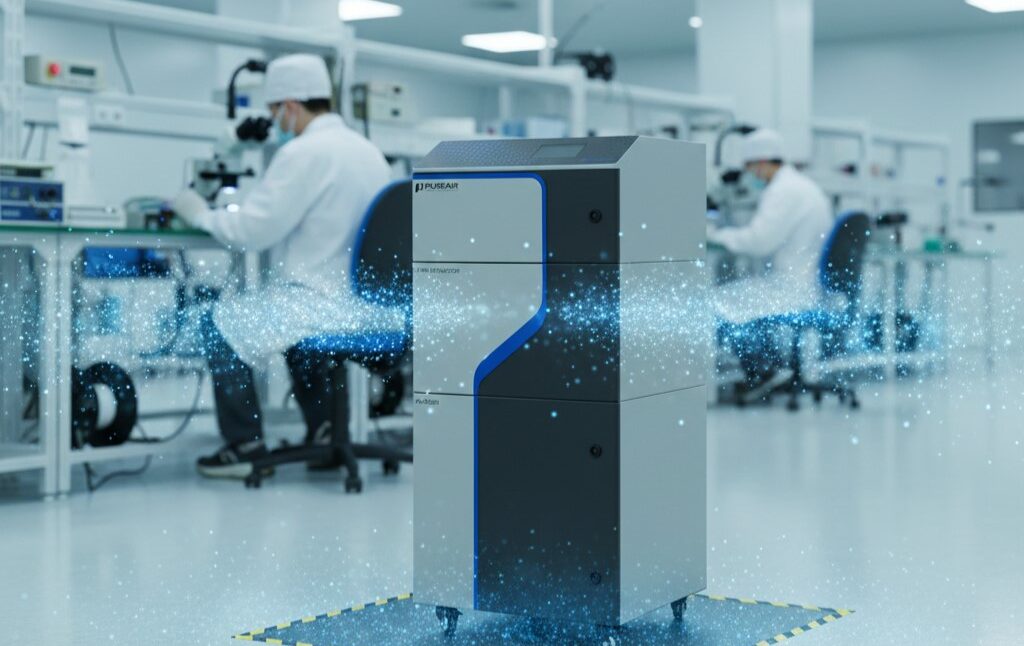
In the high-precision world of modern industrial manufacturing—where laser welding, 3D metal printing, and precision grinding are the norms—the greatest threat to air quality is often invisible. We are talking about sub-micron particles: ultra-fine metallic dust and fumes that are smaller than 1µm in diameter. These particles do not behave like…