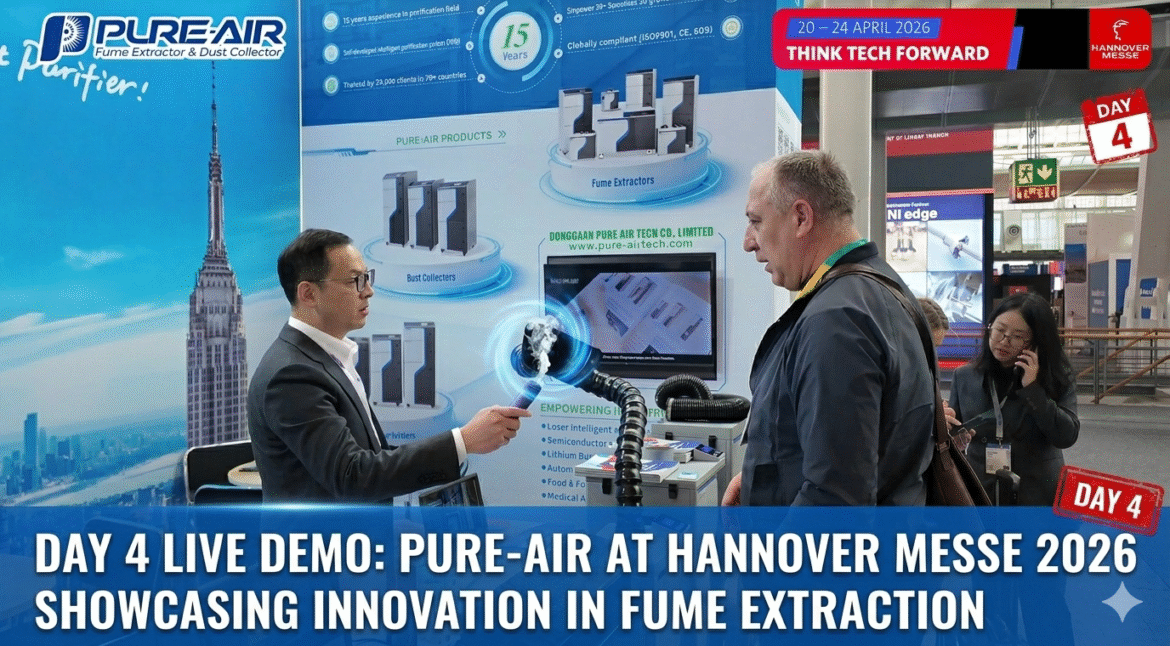
PURE-AIR at Hannover Messe 2026 – Visit Us at Hall 26, Stand D23 Introduction: Meet PURE-AIR at One of the World’s Leading Industrial Events PURE-AIR is pleased to announce our participation in Hannover Messe 2026, one of the most influential industrial technology exhibitions in the world. We warmly invite industry…
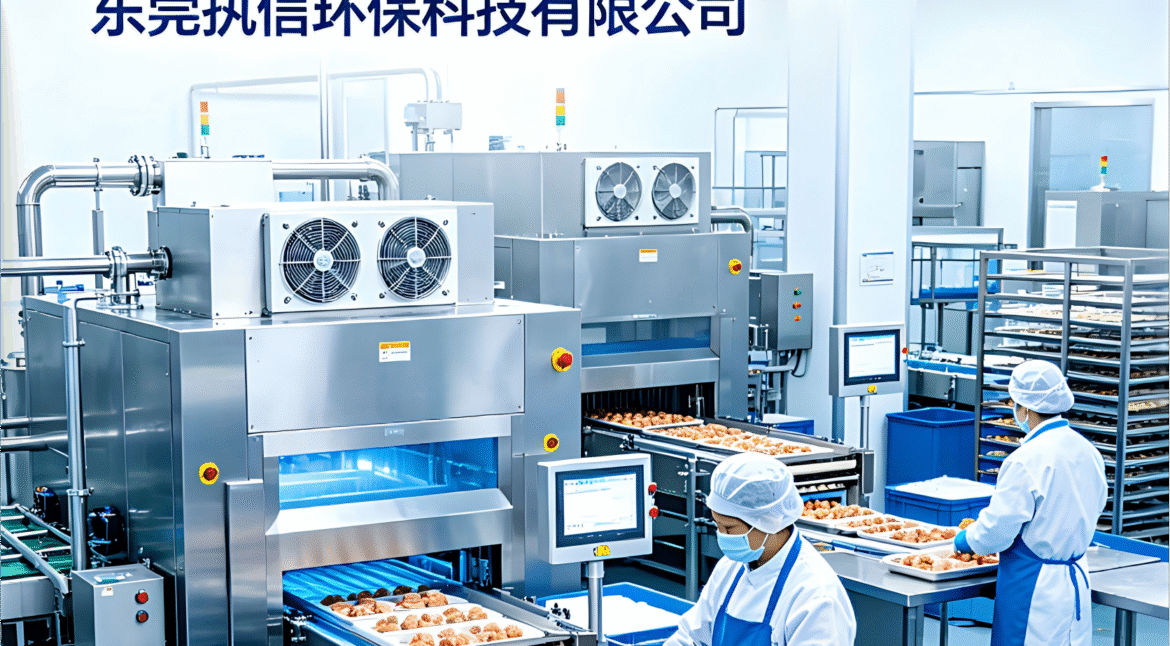
Air Filtration Solutions for Food Processing Facilities Introduction: Air Quality as a Critical Factor in Food Safety In food processing facilities, maintaining clean air is essential not only for worker safety but also for product quality and compliance with strict food safety regulations. Airborne contaminants such as dust, microorganisms, grease…
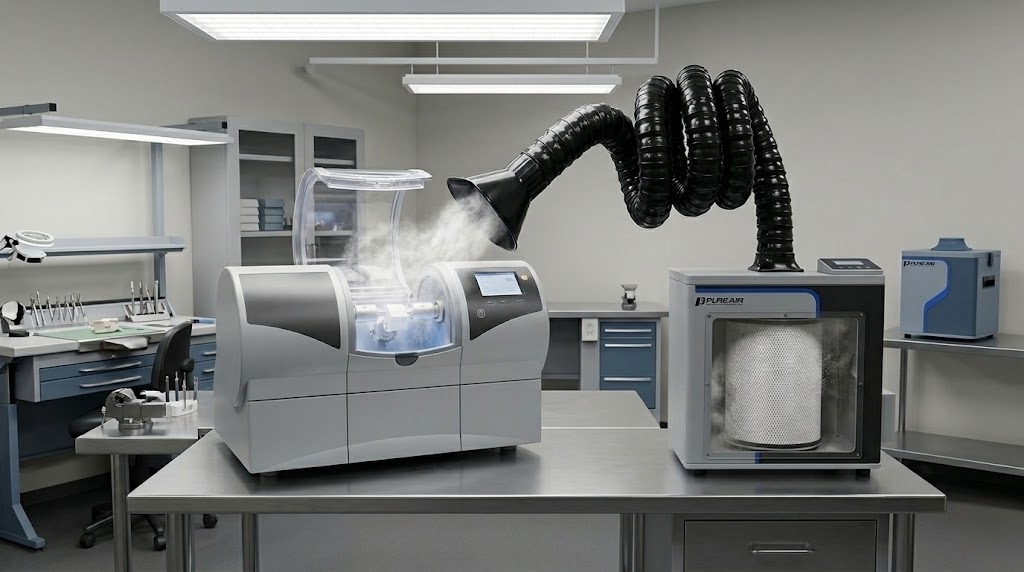
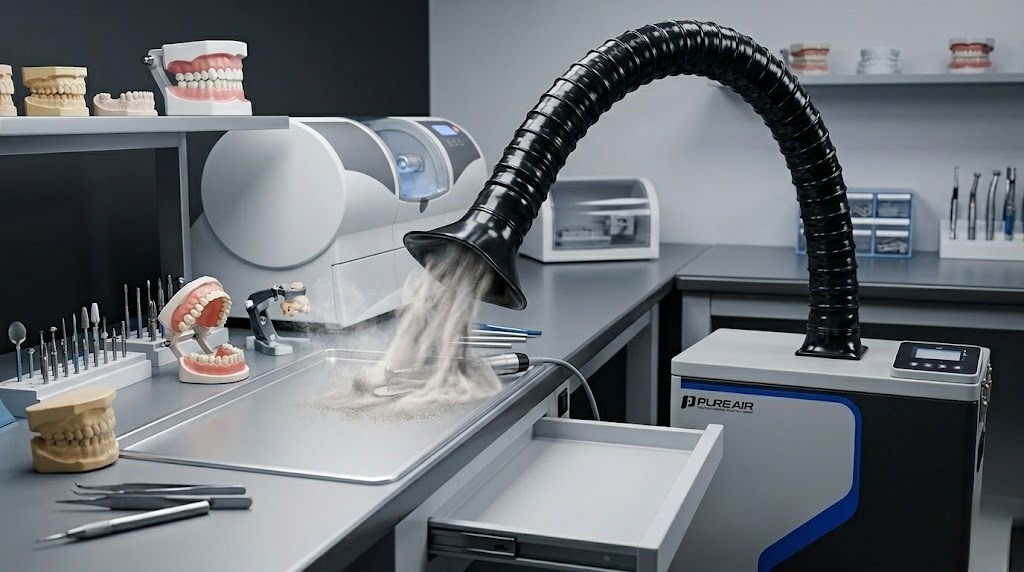
Precision is the lifeblood of every modern dental laboratory. High-speed zirconia milling creates incredibly fine and abrasive dust particles. However, many technicians struggle with sudden suction loss during production. The secret to consistent performance lies deep within your filtration system. Specifically, using a specialized dust collector for dental milling prevents…
Protecting air quality in a dental laboratory is a major health priority. Milling zirconia and ceramics creates fine, dangerous dust particles. Consequently, choosing the right filtration system is critical for your staff. Most high-performance systems rely on HEPA standards to capture these tiny pollutants. However, many owners struggle to choose…
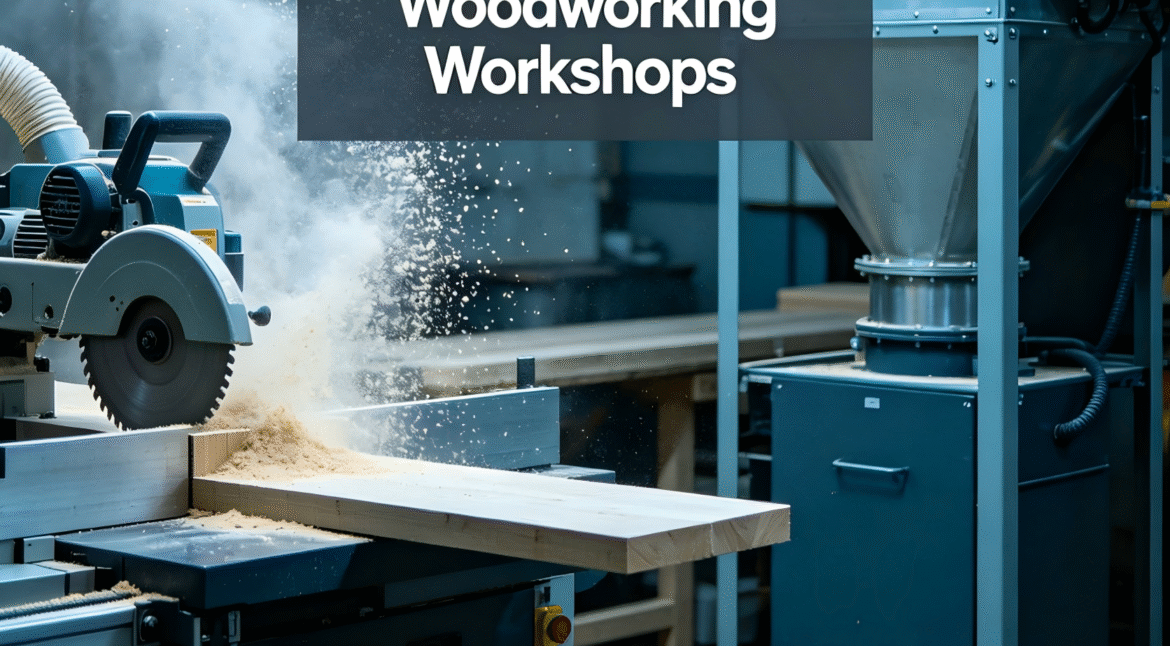
Dust and Smoke Control in Woodworking Workshops Introduction: Why Air Quality Is Critical in Woodworking Environments Woodworking workshops generate significant amounts of airborne contaminants during cutting, sanding, routing, polishing, and surface finishing processes. These include fine wood dust, smoke from laser or thermal cutting, and volatile compounds released from adhesives…
Air Purification in Automotive Manufacturing Plants Introduction: Complex Air Quality Challenges in Automotive Manufacturing Automotive manufacturing plants are among the most complex industrial environments, involving multiple production processes such as welding, painting, laser cutting, assembly, and surface treatment. Each of these processes generates different types of airborne pollutants, making air…
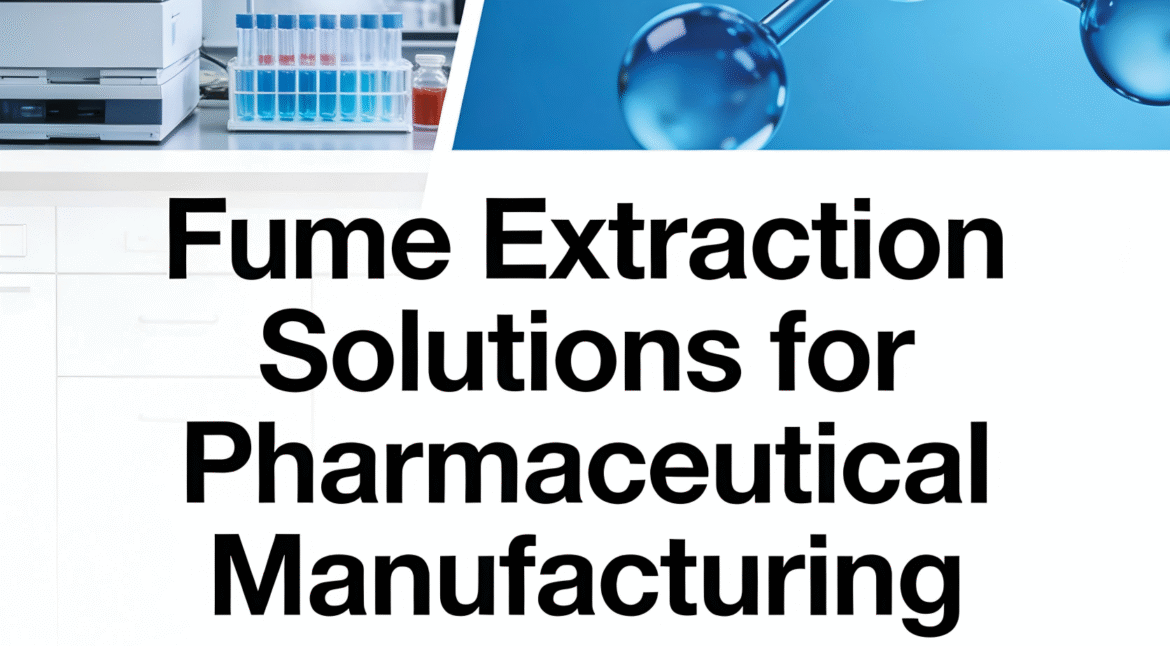
Fume Extraction Solutions for Pharmaceutical Manufacturing Introduction: Air Quality Is Critical in Pharmaceutical Manufacturing Pharmaceutical manufacturing environments demand extremely high standards for air quality, cleanliness, and contamination control. During processes such as mixing, granulation, drying, coating, and packaging, airborne pollutants including fine powders, solvent vapors, and chemical fumes can be…
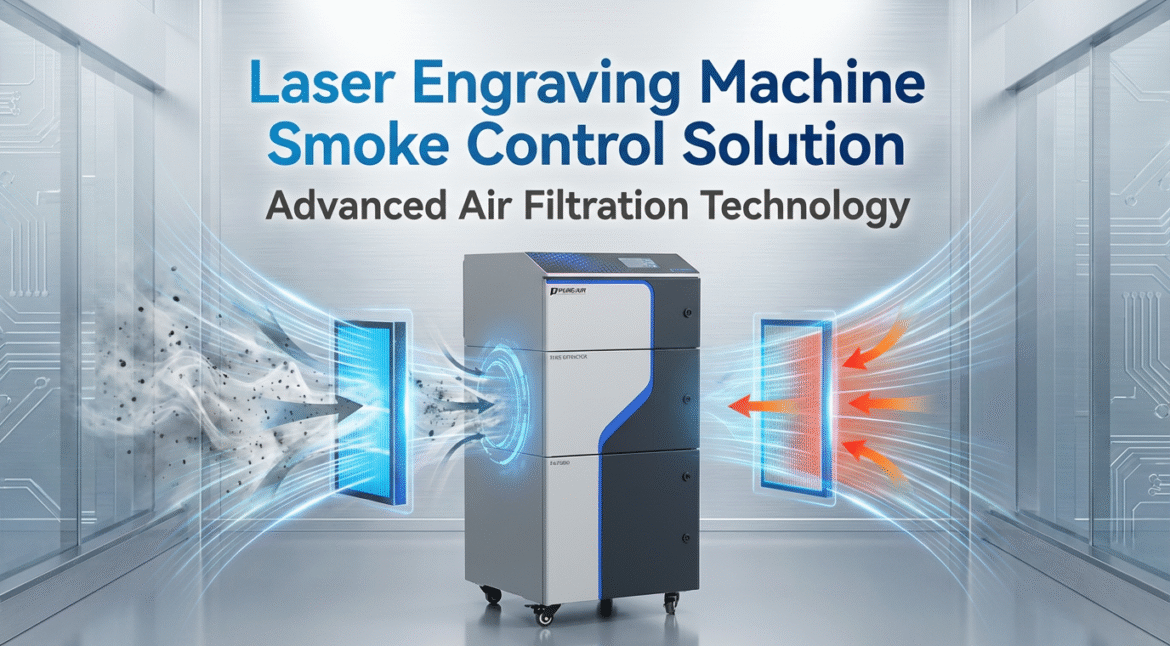
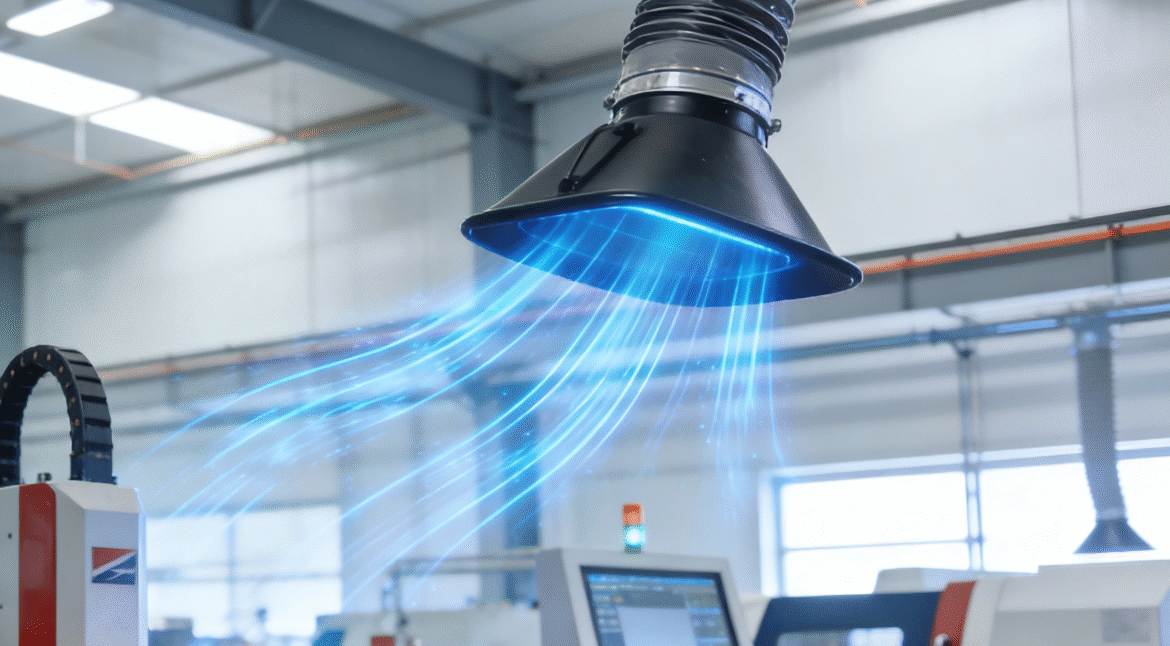
Laser marking on metal creates high-precision results for industrial parts. However, the process also generates a dangerous byproduct known as “laser smoke.” These microscopic particles are often invisible to the naked eye. Consequently, workers may breathe in toxic metallic dust without realizing the danger. Using professional smoke purifiers is the…
Industrial air quality standards are becoming stricter every year across the globe. Consequently, factory managers must look beyond simple visible dust removal. The true danger lies in microscopic particles that escape standard filters. High-performance industrial dust extractors must hit the 99.9% efficiency mark at exactly 0.3 micrometers. This guide explains…
Case Study: Improving Air Quality in a Metal Processing Plant Introduction: The Challenge of Air Quality in Metal Processing Metal processing plants, including cutting, welding, grinding, and polishing operations, generate significant amounts of airborne pollutants such as metal dust, welding fumes, and fine particulate matter. These contaminants not only affect…