How Metal Cutting Processes Generate Harmful Fumes and Dust
Introduction
Metal cutting is a fundamental process in modern manufacturing industries, including automotive production, aerospace engineering, metal fabrication, machinery manufacturing, and construction equipment production. Technologies such as laser cutting, plasma cutting, flame cutting, and CNC machining have greatly improved productivity and precision.
However, while these processes offer significant manufacturing advantages, they also generate harmful fumes, smoke, and fine dust particles that can negatively impact worker health, equipment performance, and environmental compliance.
Understanding how these contaminants are generated and implementing effective fume extraction solutions is essential for creating a safer and more efficient production environment.
Why Metal Cutting Generates Fumes and Dust
Metal cutting involves removing material through thermal energy, mechanical force, or both. During cutting operations, metal surfaces are heated, melted, vaporized, fractured, or abraded, releasing airborne contaminants into the workshop atmosphere.
The amount and type of pollutants generated depend on:
- Cutting technology used
- Material composition
- Cutting temperature
- Surface coatings
- Production intensity
Without proper extraction systems, these contaminants can quickly accumulate throughout the facility.
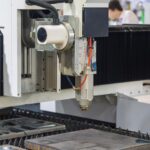
Laser Cutting: Ultra-Fine Smoke Generation
Laser cutting utilizes highly concentrated energy beams to melt or vaporize metal.
How Fumes Are Produced
During laser cutting:
- Metal is heated to extremely high temperatures
- Tiny metal particles vaporize
- Surface coatings and oils burn
- Smoke and particulate matter are released
Typical Pollutants
Laser cutting commonly generates:
- Ultra-fine particulate matter
- Metal oxide fumes
- Burnt coating residues
- Volatile organic compounds (VOCs)
Many particles produced by laser cutting are smaller than one micron, making them particularly hazardous because they can remain suspended in the air for extended periods.
Plasma Cutting: High-Volume Fume Production
Plasma cutting uses a high-temperature plasma arc to cut conductive metals.
Compared with laser cutting, plasma cutting often produces larger quantities of smoke and particulate emissions.
Common Airborne Contaminants
- Iron oxide particles
- Manganese fumes
- Ozone
- Nitrogen oxides
- Fine metal dust
The dense smoke generated can significantly reduce visibility and quickly spread throughout a workshop if not properly controlled.
Flame Cutting and Oxy-Fuel Operations
Flame cutting remains widely used for processing thick metal plates.
Pollutants Produced
During combustion and oxidation processes, flame cutting generates:
- Combustion smoke
- Carbon particles
- Metal oxide fumes
- Hot airborne residues
Although particle concentrations may vary, continuous operation can lead to significant air quality issues.
Mechanical Cutting and Grinding Dust
Mechanical processing methods such as:
- Sawing
- Milling
- Grinding
- Deburring
- Surface finishing
primarily generate dust rather than smoke.
Characteristics of Mechanical Dust
These particles may include:
- Steel dust
- Stainless steel particles
- Aluminum dust
- Abrasive residues
Fine dust particles can settle on machinery, contaminate products, and remain suspended in the breathing zone of workers.
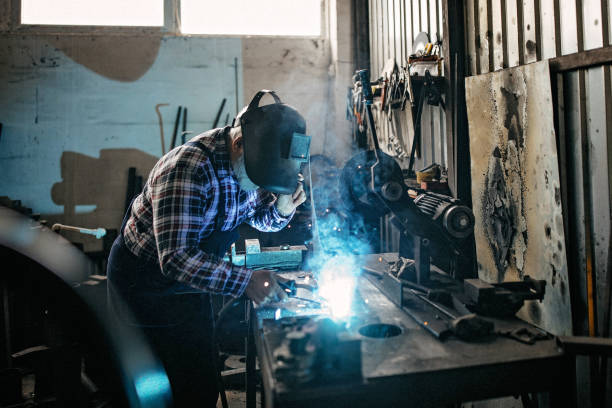
Health Risks of Metal Cutting Fumes
Exposure to metal cutting fumes and dust can affect workers in several ways.
Respiratory Issues
Common symptoms include:
- Coughing
- Throat irritation
- Breathing discomfort
- Reduced lung function
Long-term exposure may increase occupational health risks.
Eye and Skin Irritation
Smoke particles and airborne dust can cause:
- Eye irritation
- Skin discomfort
- Reduced workplace comfort
Hazardous Metal Exposure
Depending on the material being processed, fumes may contain:
- Chromium compounds
- Nickel particles
- Zinc oxide
- Manganese compounds
These contaminants require effective source-capture extraction systems.
Impact on Production and Equipment
Poor air quality affects more than employee health.
Increased Maintenance Costs
Dust and fumes can accumulate inside:
- Laser cutting machines
- CNC systems
- Electrical cabinets
- Sensors and automation equipment
This often results in:
- More frequent maintenance
- Reduced equipment lifespan
- Increased downtime
Reduced Product Quality
Airborne contaminants may settle on finished products and cause:
- Surface contamination
- Coating defects
- Reduced precision
Maintaining clean air helps improve product consistency and manufacturing quality.
Why Source Capture Is Critical
The most effective way to control metal cutting emissions is to capture contaminants directly at the source before they disperse into the workplace.
An effective extraction system should include:
High Negative Pressure Airflow
Strong suction quickly captures smoke and dust where they are generated.
Multi-Stage Filtration
Different filtration stages remove:
- Large particles
- Fine dust
- Metal fumes
- Ultra-fine smoke
Intelligent Airflow Management
Stable airflow ensures consistent purification performance while minimizing energy consumption.
PURE-AIR Solutions for Metal Cutting Applications
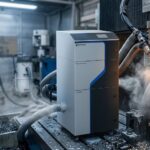
PURE-AIR specializes in industrial fume extraction systems designed for demanding metal processing environments.
High Negative Pressure Fan Technology
Our self-developed high negative pressure fans provide powerful and stable suction, ensuring efficient source capture.
PIPS Intelligent Purification System
The PIPS system optimizes airflow performance, filter management, and purification efficiency.
Long-Life Filter Cartridges
Large-capacity filters provide extended service life and reduced maintenance frequency.
Customized Solutions
PURE-AIR systems are widely used in:
- Fiber laser cutting
- Plasma cutting
- Flame cutting
- CNC machining
- Metal fabrication workshops
Conclusion
Metal cutting processes inevitably generate harmful fumes, smoke, and dust that can affect worker health, equipment performance, product quality, and environmental compliance.
Investing in a professional fume extraction system is essential for maintaining clean air and ensuring sustainable manufacturing operations.
With over 15 years of experience, PURE-AIR provides advanced industrial air purification solutions that help manufacturers create safer, cleaner, and more productive workplaces.