Why Factory Fume Causes Production Downtime
Introduction: The Hidden Cost of Factory Fume
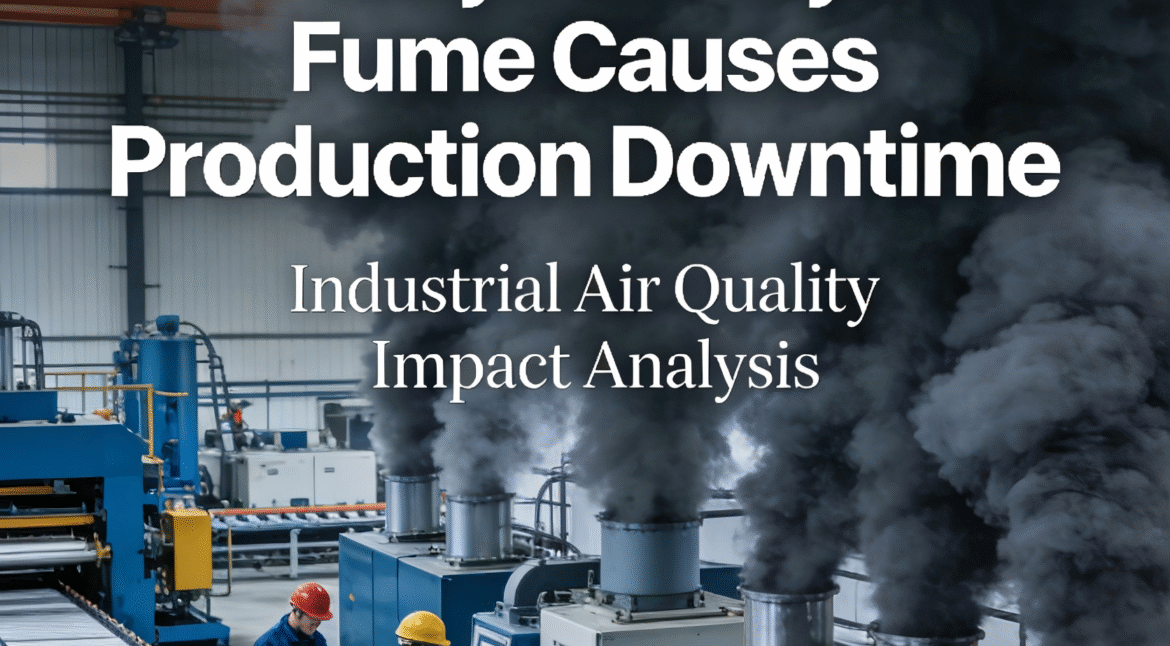
In many manufacturing environments, factory fumes are often viewed merely as a health or environmental issue. However, beyond regulatory compliance and worker safety, industrial fumes have a direct and measurable impact on production efficiency.
Uncontrolled fumes can lead to equipment contamination, system malfunction, safety shutdowns, and regulatory interruptions — all of which contribute to unexpected production downtime. Understanding how factory fumes affect operational continuity is essential for manufacturers aiming to maintain stable output and reduce hidden costs.
1. Equipment Contamination and Mechanical Failure
Industrial processes such as welding, laser cutting, soldering, grinding, and thermal processing generate fine particulates and chemical vapors. These airborne pollutants gradually accumulate inside machines, control panels, and ventilation systems.
Common Impacts:
-
Dust accumulation on sensors and optical components
-
Blockage of cooling systems
-
Increased internal temperature
-
Electrical short circuits
-
Premature wear of moving parts
Over time, this contamination reduces equipment reliability and increases unplanned maintenance stops.
2. Laser and Precision Equipment Performance Decline
In industries relying on laser engraving, laser cutting, and precision marking, airborne smoke particles can interfere with laser beam transmission and optics clarity.
Results Include:
-
Reduced marking accuracy
-
Surface quality defects
-
Rework and scrap increase
-
Frequent lens cleaning and replacement
Even minor air contamination can disrupt high-precision production processes, forcing temporary shutdowns for cleaning and recalibration.
3. Worker Health Issues Leading to Productivity Loss
Exposure to welding fumes, metal oxides, VOCs, and fine dust may cause:
-
Respiratory irritation
-
Eye discomfort
-
Headaches
-
Long-term occupational health risks
When workers experience discomfort or illness, productivity declines. In severe cases, absenteeism or regulatory safety interventions may halt production activities entirely.
4. Fire and Explosion Hazards
Dust accumulation from grinding, polishing, and cutting processes increases the risk of:
-
Dust explosions
-
Spark ignition
-
Fire hazards
Many production facilities experience emergency shutdowns due to insufficient dust control systems. These incidents not only stop production but may also cause equipment damage and financial loss.
5. Regulatory Inspections and Compliance Interruptions
Environmental and occupational safety authorities increasingly monitor industrial air quality. Excessive airborne pollutants can result in:
-
Compliance warnings
-
Mandatory rectification periods
-
Temporary production suspension
-
Financial penalties
A single regulatory stop-order can lead to days or weeks of downtime, affecting delivery schedules and customer trust.
6. Reduced Visibility and Workplace Efficiency
In welding and thermal processing workshops, dense smoke reduces visibility, affecting:
-
Operational accuracy
-
Inspection quality
-
Overall work efficiency
Poor air conditions make it difficult for workers to maintain consistent production standards.
The Financial Impact of Downtime Caused by Factory Fume
Production downtime does not only reduce output — it creates a chain reaction:
-
Delayed shipments
-
Overtime labor costs
-
Equipment repair expenses
-
Damaged customer relationships
-
Increased energy waste
Many manufacturers underestimate how poor air quality directly contributes to operational instability.
How to Prevent Downtime with Effective Fume Control
Preventing downtime begins with proper industrial air pollution management strategies.
1. Source-Capture Fume Extraction
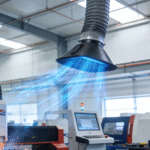
Capturing fumes directly at the emission point prevents contamination from spreading across the workshop.
2. High Negative Pressure Airflow Systems
Stable negative pressure ensures consistent suction and effective pollutant transport, even during continuous operation.
3. Multi-Stage Filtration Technology
-
Pre-filtration for large particles
-
High-efficiency fine particle filtration
-
Activated carbon adsorption for VOC removal
4. Customized Industrial Air Purification Solutions
Each factory has unique processes and layouts, requiring tailored fume extraction system design.
Why Manufacturers Invest in Professional Fume Extraction Systems
Factories that implement advanced fume control solutions typically achieve:
-
Reduced unplanned downtime
-
Lower maintenance frequency
-
Extended equipment lifespan
-
Improved worker productivity
-
Enhanced regulatory compliance
Industrial air purification is not just an environmental investment — it is a production stability strategy.
Conclusion
Factory fumes are more than an air quality concern. They are a hidden driver of production downtime, equipment failure, and operational inefficiency.
Manufacturers aiming to reduce unexpected shutdowns and maintain consistent output must prioritize professional fume extraction and air purification systems. By addressing air pollution at its source, factories can safeguard both productivity and long-term profitability.